


Understanding how wine evolves is central to tasting with confidence. Bottle size is one of the often-overlooked factors that can shape a wine’s development, influencing how it ages, how it tastes and how it is experienced around the table.
In this article, Natalia Pasichnyk, a UK-based wine communicator and WSET Level 2 graduate, explores what makes magnums special, drawing on wines selected by Jancis Robinson MWfor a recent masterclass at the WSET School London. Combining the science of ageing with the pleasure of shared occasions, she looks at when bigger bottles really do make a difference.
Translated from Latin, magnum means "great". Winston Churchill, meanwhile, famously called it "the perfect size". Here, we look at when bigger bottles really do taste better, using magnums chosen by Jancis Robinson MW for a recent masterclass at WSET School London.
What is a magnum?
A magnum holds two standard 75cl bottles of wine: 1.5 litres, or 10 to 12 glasses. It's the first step up in the hierarchy of larger-than-standard formats, ushering in a whole biblical cast of characters, from Jeroboam (3 litres) to Melchizedek, a mighty 30 litres.
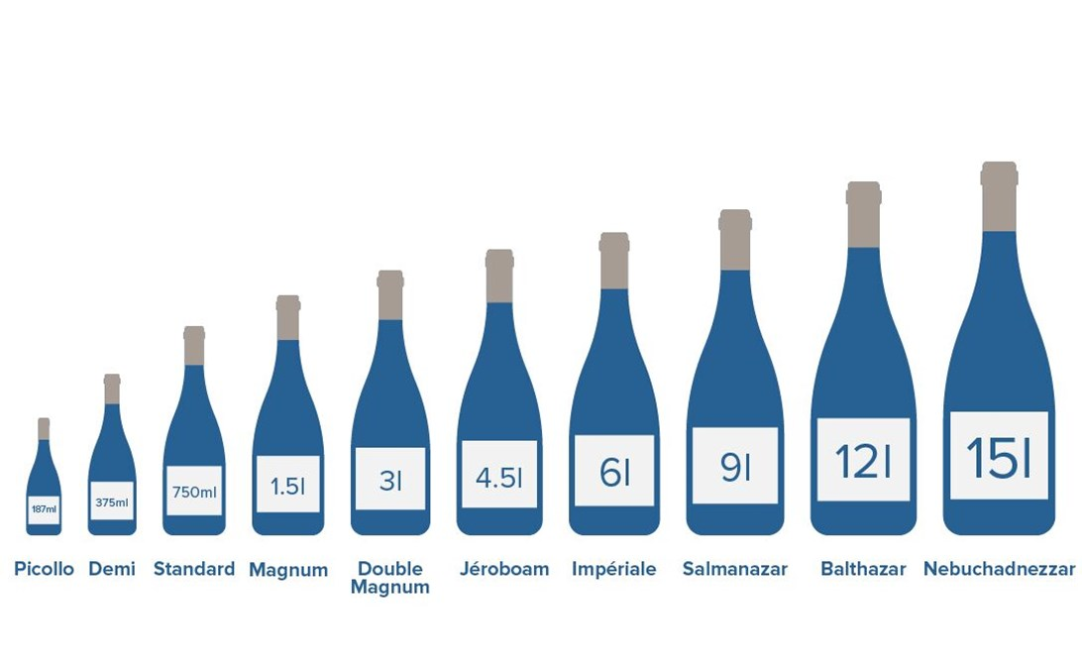
Wine historians still argue about when and where the first magnums were bottled. One theory places them in 18th-century Champagne, where producers were experimenting with bottle sizes. Another credits the Ricketts family, who, in 1820s Bristol, developed industrial glass-moulding techniques that made large-format bottles commercially viable.
Over time, the magnum has earned its reputation as the star of big occasions, though rarely as a money-saving option. More often than not, it costs the same as, or even more than, two standard bottles combined.
So what's the point, beyond the pleasure of placing an impressive bottle on the table and burnishing one's credentials as a generous host?
Slower oxidation, better ageing
Picture two bottles of wine, one twice the size of the other. Roughly the same amount of air enters both through the cork. Because a larger bottle has a smaller surface area to liquid ratio, the wine inside a magnum comes into contact with less oxygen.
That slower oxidation means slower ageing. Aromas and flavours evolve more gradually, gaining complexity and nuance over time.
Oxidation isn't the only factor working in the magnum's favour. A larger thermal mass makes the wine more resistant to temperature fluctuations, helping it retain freshness and structure for longer.
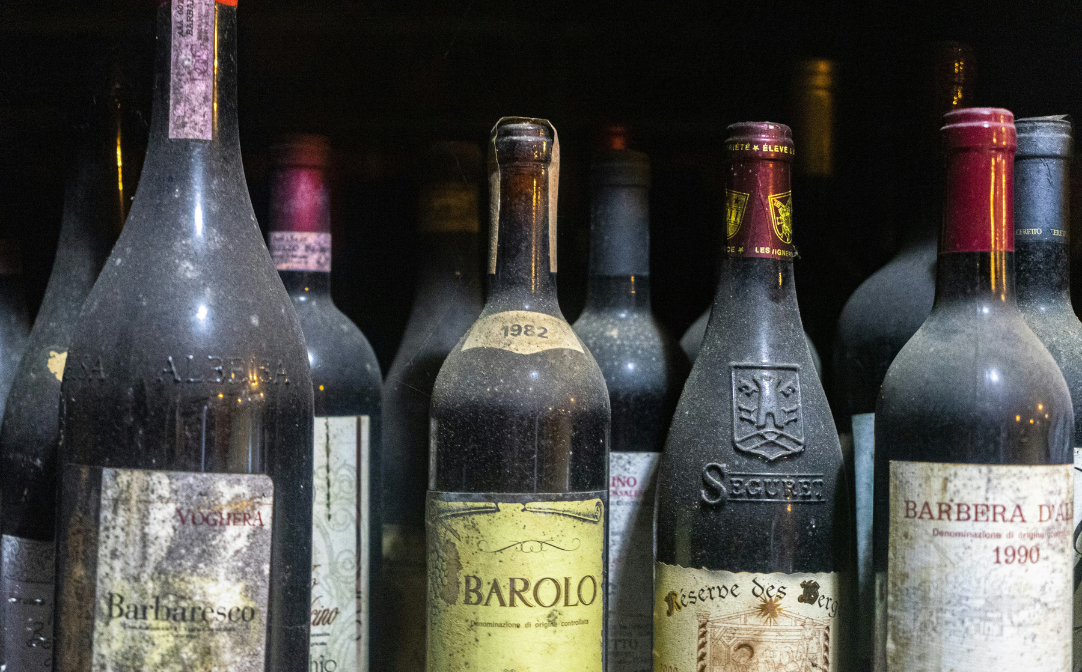
A grand format for grand occasions
But does a magnum make sense if you're not planning to cellar it and intend to open it sooner rather than later? Sometimes, especially if presentation matters and you want to celebrate the moment.
Anyone in the wine trade will tell you that countless magnums have been sold with a single line: just imagine how this will look on your table. People imagine it. They like what they see. Aesthetics matter.
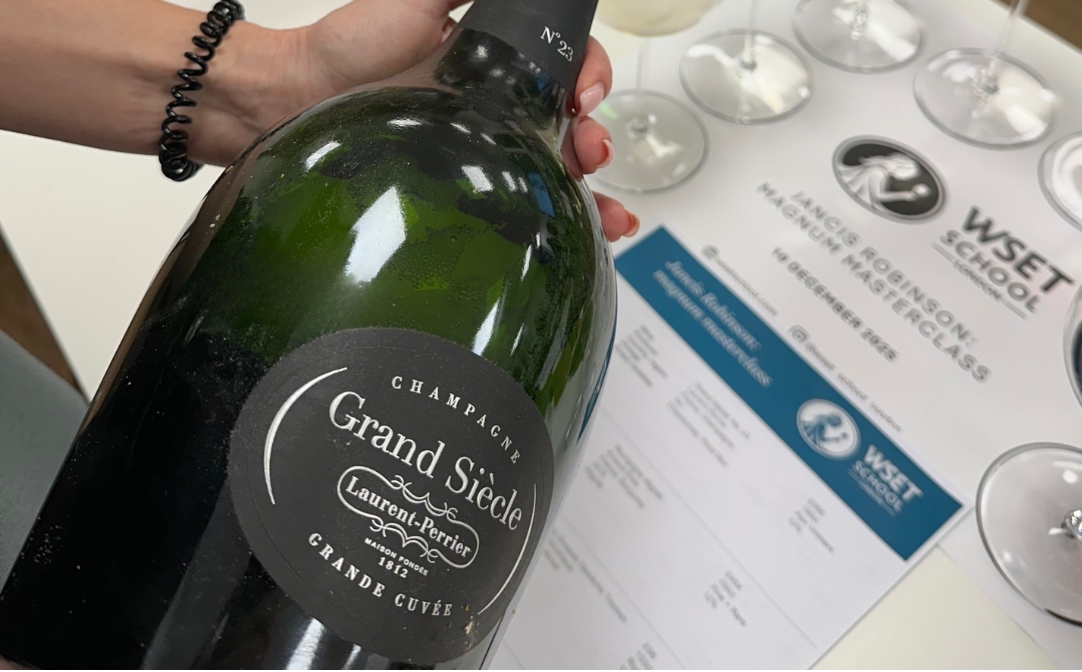
There's no denying that a magnum lifts the mood of an occasion. Opening one sets the tone for a generous gathering centred on shared enjoyment, much like the recent Jancis Robinson MW masterclass at WSET School London in late 2025.
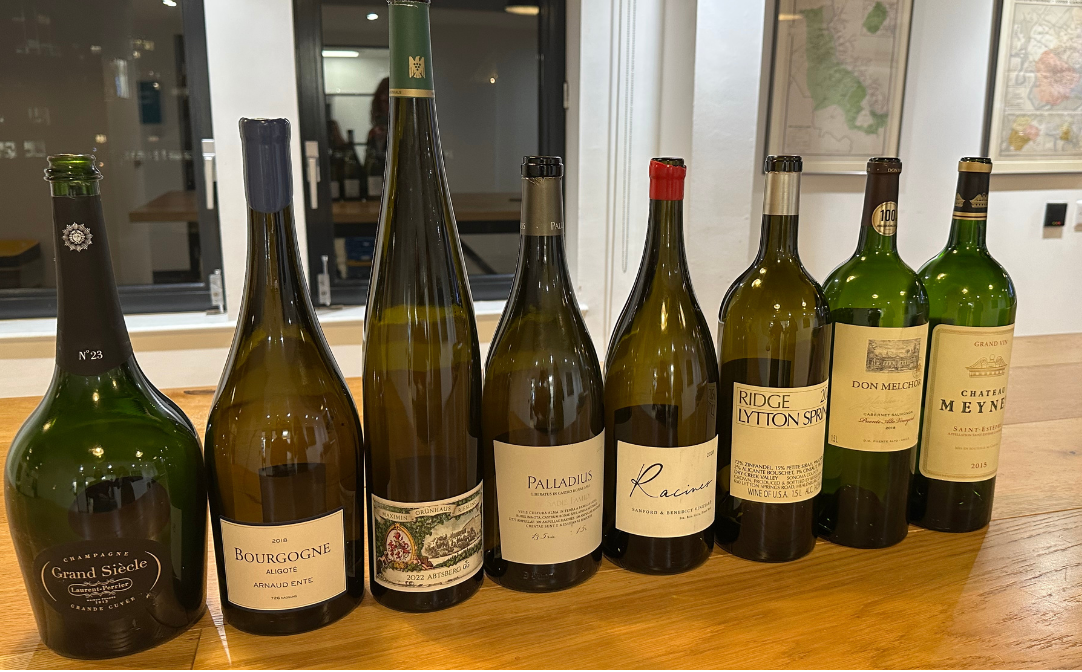
To mark 25 years of jancisrobinson.com and 50 years of Robinson's writing career, she chose eight wines in magnum, each connected in some way to her professional journey. For such a major milestone, the larger format made perfect sense.
What magnums revealed about the wine
One of Robinson's favourite Champagnes, Laurent-Perrier Grand Siècle, appeared in its No. 23 iteration, released in magnum in 2022. Aged on the lees for 14 years and blended from the 2006, 2004 (an underrated vintage that, in Robinson's view, has aged remarkably well) and 2002 vintages, the wine manages to have depth, purity and playfulness all at once.
Interestingly, although Laurent-Perrier has been producing its multi-vintage Grand Siècle since 1959, it only began clearly identifying the blends for consumers in 2019. Robinson herself played a role in this shift, having campaigned since the 1990s for Champagne houses to offer more transparency about wine age.
Domaine Arnaud Ente Bourgogne Aligoté 2018 illustrated how climate change is reshaping the wine world. Once dismissed as a thin, overly acidic grape, Aligoté now reaches full ripeness thanks to warmer, longer Burgundian summers and is enjoying a quiet renaissance among wine lovers.
Robinson recalled her first encounters with Arnaud Ente long before his global fame, when tastings took place at the family kitchen table. The wine also showcased his trademark approach: ageing in glass rather than oak to preserve what he calls "purity, precision and a clear expression of the vineyard".
The magnum reflects more than Ente's current cult status and the fact that this is Burgundy. It is also a collector's piece. The 2018 vintage was the last for this cuvée; soon after, the 60+ year old vines were pulled up.
Grünhaus Abtsberg Grosses Gewächs Trocken Riesling 2022 made the line-up as a showcase for German viticulture, another beneficiary of climate change.
Robinson has often described Riesling as one of the greatest varieties, praising its transparent expression of terroir, natural affinity with food and ability to age. At the masterclass, she shared her observations on how Mosel Rieslings have shown themselves capable of ageing better than classified Bordeaux from the same vintages.
Sadie Family 'Palladius' 2023 brings together 11 of Swartland's officially recognised white grape varieties, led by old bush-vine Chenin Blanc alongside Grenache Blanc, Marsanne, Colombard, Palomino, Semillon, Roussanne, Verdelho, Clairette Blanche and Viognier. Some of the vines date back to 1935.
The wine was opened in magnum, courtesy of Eben Sadie, the winemaker who helped unlock the true potential of the Swartland. Since 2014, Sadie has shifted towards fresher, more restrained wines, moving away from excess oak. He has also introduced varieties such as Assyrtiko and Grillo, better suited to hot, dry summers, to help preserve balance and freshness as temperatures rise.
Describing the wine as having "real structure and substance", Robinson advised holding onto it for another five years to see it fully unfold.
Racines 'Sanford & Benedict Vineyard Pinot Noir' 2020 was chosen as a compelling example of collaboration. Etienne de Montille and Brian Sieve from Burgundy joined Rodolphe Peters of Champagne to produce Pinot Noir in the cool climate of the Sta. Rita Hills.
Founded by Richard Sanford in 1971, the winery became a starting point for the wine revolution in Santa Barbara County. Relatively light at 13.3% abv, with a savoury note on the finish, the wine spent 19 months in barriques, 30% of them new French oak.
Two Californian wines appeared in the event selection, reflecting the region's personal significance for Robinson. It was while serving as the honorary secretary of the Zinfandel Club in the late 1970s that she organised a tasting at the American Embassy, where she met her husband, Nick Lander.
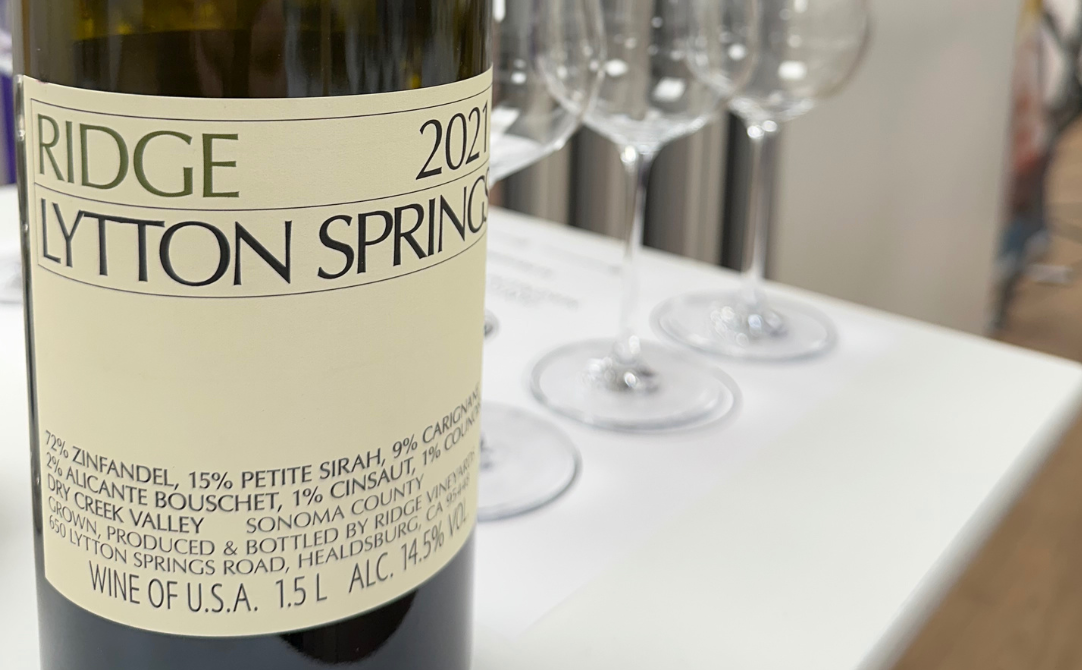
She remains a committed champion of Zinfandel. In earlier tasting notes on Ridge 'Lytton Springs' 2021 from Dry Creek Valley, she wrote "too cheap!", meaning the quality doesn't quite reflect the price.
Ridge Vineyards is committed to preserving old vines, some planted as early as 1901. The blend comprises 72% Zinfandel, 15% Petite Sirah, 9% Carignan, 2% Alicante Bouschet, 1% Cinsault and 1% Counoise, sourced from 80-year-old vines.
Robinson has often spoken about the importance of spotlighting underdogs, wines of undeniable quality that fail to receive due recognition. Chile is a classic example, still widely associated with cheap, cheerful bottles despite producing icons such as Don Melchor, the flagship wine of Concha y Toro.
The 2018 vintage featured in the masterclass, described by winemaker Enrique Tirado himself as "fantastic". The vineyard sits on an alluvial terrace of well-drained gravel soils above the Maipo River. Cold air descends from the Andes at night, extending the ripening period in a way similar to Pacific fogs cooling Napa Valley.
While the terroir and winemaking draw parallels with Pauillac, the flavour profile diverges. Don Melchor is riper and slightly sweeter, yet remains balanced, structured and supported by bright acidity. In a poll at the end of the tasting, this bottle topped the category for 'most surprising wine of the evening'.
The final wine of the masterclass was Château Meyney, St-Estèphe 2015, a bottle with an impressive track record in blind tastings. Notably, during the major Southwold blind tasting, this vintage was widely mistaken for La Dame de Montrose, the second wine of Château Montrose.
Having investigated why Meyney was excluded from the 1855 Classification, Robinson believes it was simply the result of a legal ownership dispute at the time. The vineyard sits next door to Château Montrose, close to the Gironde estuary. As the local saying goes, the best Médoc wines should "see the Gironde".
With its characteristically stony, slightly firm profile, Meyney shows excellent ageing potential, and Robinson considers its quality remarkable.
To close the masterclass, Robinson reminded us that there are no rights and wrongs when it comes to tasting wine. Each of us brings our own sensitivity, preferences and internal compass. The key is to stay honest with what you feel and not be distracted by the loudest voice in the room, whether in an exam, a tasting or any other setting.
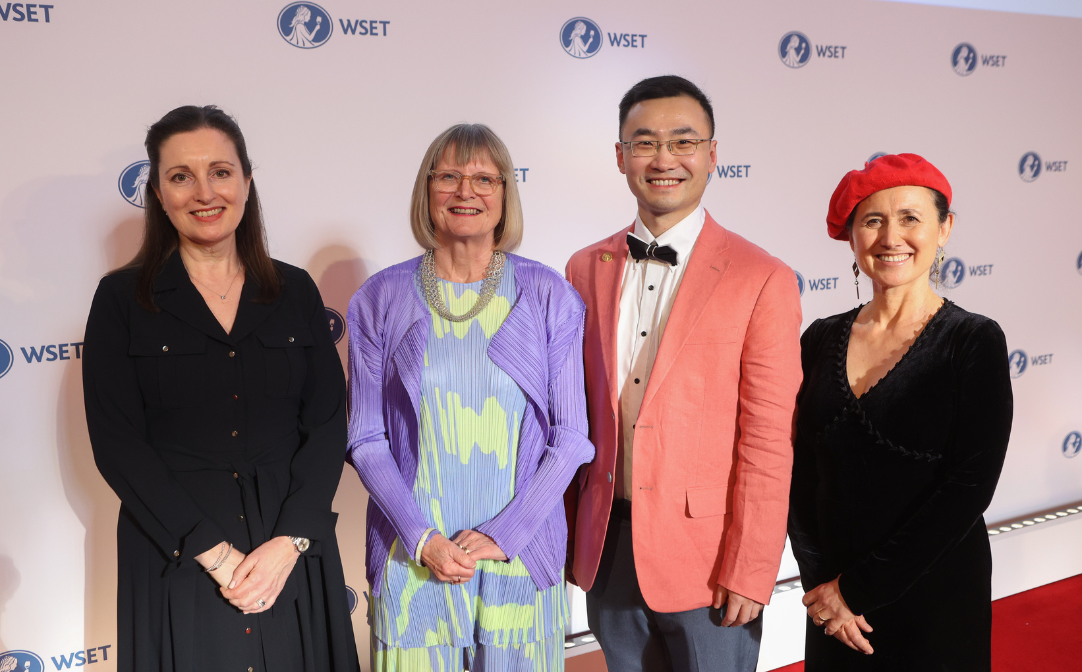
So when should you choose a magnum?
Some occasions do call for big bottles. A magnum underlines a role of wine we risk forgetting: its ability to bring people together around the table. In an era of digital isolation, that counts for something.
And with magnums, it is a win-win. The format delivers both visual impact and better conditions for ageing. Give it time, exercise a little patience, and you will likely find the reward is more than worth the wait.
About the author
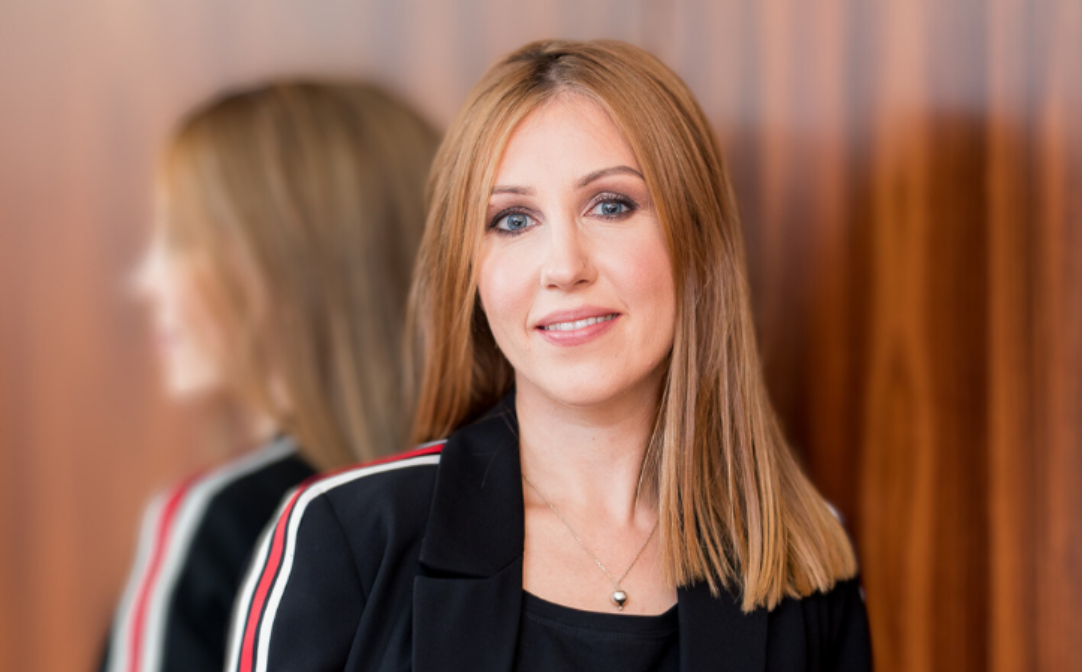
A professional journalist and former Senior Editor at ELLE Ukraine, Natalia Pasichnyk moved into the UK wine trade in 2023. Having earned her WSET Level 2 Awards in both Wines and Spirits with Distinction, she is continuing her studies and was recently named a 2025 mentee of the DRINKLUSIVE programme, focusing on her development as a wine communicator.
Further reading
The ultimate guide to wine bottle shapes and sizes
