


With flavoured beer, both parts of the equation, “flavoured” and “beer”, are equally important. Obviously you want to taste whatever flavouring has been added: it’s why you chose that beer over another. But you don’t want to taste it in isolation. Beer flavourings work best when you can enjoy them in harmony with the underlying beer.
Where beer gets its flavours
The flavours of that base beer, as with all beers, come from the raw ingredients. First to consider among these is the grain. Most often this is barley, from which we can get a huge range of flavours via malting and kilning (more on which in a moment.)
It’s possible to use other grains, which will introduce other flavours. Some may be familiar, others are rarer now but may become increasingly important in beer as climate change affects crop farming.
- Rye adds peppery spice
- Wheat adds light acidity
- Rice makes beers light and dry
- Sorghum can add a citrus note
- Fonio can add honeyed or stone fruit flavours
When the maltster kilns the grain, they can choose how much flavour to impart. Pale malts give pale lagers their light bready base. Crystal malt gives IPAs their biscuit or caramel flavours. Malts roasted until they’re brown or black make porters and stouts dark and delicious with chocolate and even dark fruit flavours coming from the malt.
Then there are the hops, which add the vital bitterness as well as so many fascinating flavours. Hops from Britain, Germany and Czechia are floral and fruity but also earthy and subtly spicy. Hops from the USA, New Zealand or Australia are often bolder, with notes of citrus and stone fruit, tropical fruit and resinous pine.
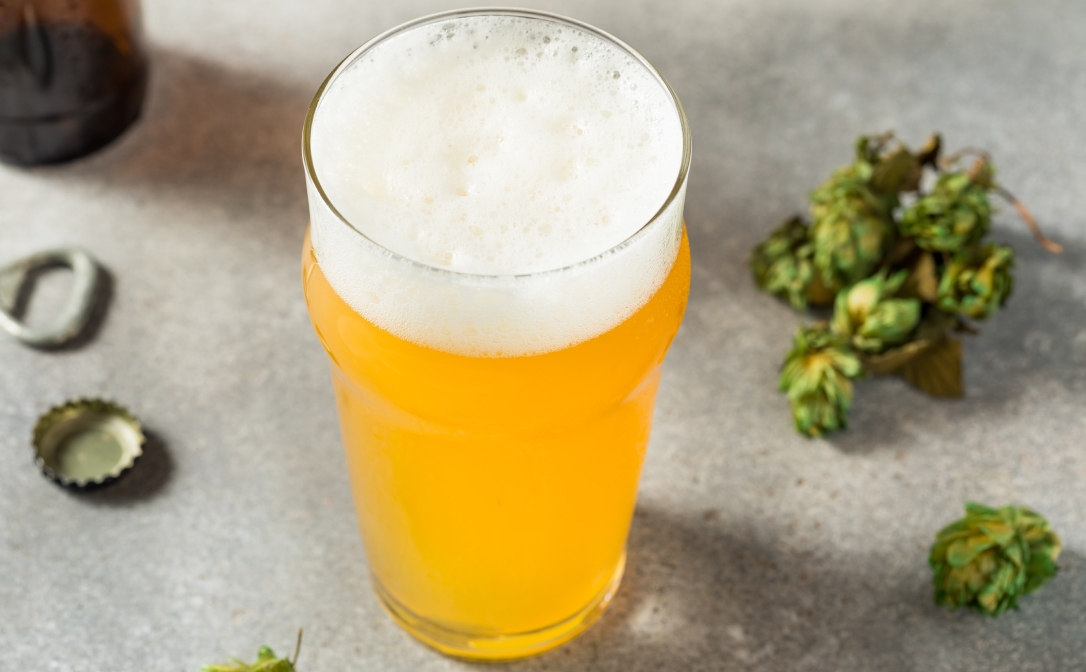
Hops can add a range of flavours to beer.
Flavour comes from process too
As we’ve seen already with kilning, the raw ingredients' flavours are transformed by how the farmer, the maltster and the brewer all work with them.
When yeast ferments sugar into alcohol, a whole laundry-list of chemicals flow from the yeast into the beer along with the ethanol and carbon dioxide. Some of these directly affect its flavour: think of the fruity notes of a classic Best Bitter, or the white pepper funk of a Belgian Saison.
Another factor is whether and how the brewer decides to mature a beer. Aging it in a bottle will allow its flavours to change (usually mellow) over time without further outside influence. Doing it in a barrel means the wood makes its mark on the beer as well, along with whatever was in that barrel before.
So, we’ve established why beer’s already pretty tasty. But what if it had even more flavour?
Added extras
So when does a beer become “flavoured”? When ingredients are added specifically for their taste rather than their brewing function. This is done with fruits, spices, coffee, chocolate, and more.
You’ll often see similar patterns emerging when brewers decide how to flavour their beers. They will match the flavour intensity: gentle flavourings added to subtle beers, and bolder ones added to more robust beers. A fruity lager works because neither element overpowers the other. The same goes for a chocolate porter: its flavours are in balance.
Some pairings are classic, such as sour cherries added to a lambic to turn it into a kriek, or orange peel and coriander used to flavour a Belgian witbier. Others are more playful and modern: pastry sours and stouts that burst with marshmallow, peanut butter and salted caramel.
Examples of flavoured beers from light to dark
Beer is so versatile that almost anything goes, as long as it tastes good. A list like this could never be exhaustive, so think of this instead as a few examples:
- lagers with citrus fruit, particularly grapefruit
- wheat beers with coriander and orange zest
- sour ales with stone fruit
- “pastry sours” made with lactose
- pale ale with gorse flowers, coconut
- IPAs with mango
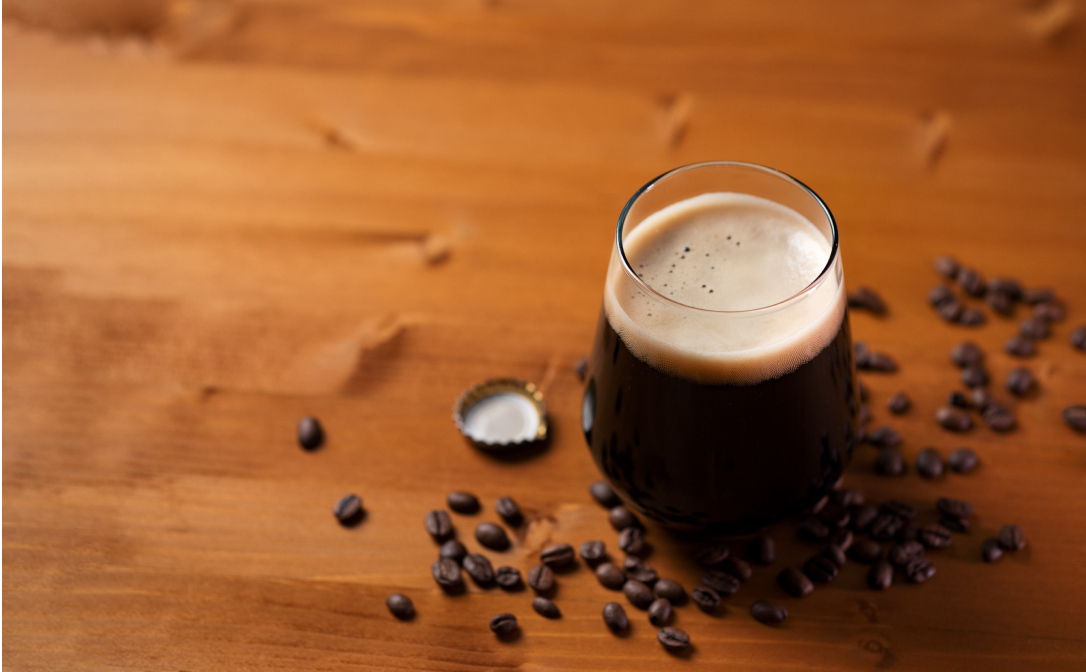
- porters with coffee grounds
- stouts with cacao nibs
- “pastry stouts” with doughnuts, cake, also often dark berries
Natural or artificial
These flavourings can either come from natural ingredients or from extracts. The natural ingredients will lead to more nuanced and authentic flavours in the beer, but they can be harder to work with at scale.
Some brewers use whole fruit, some use pulp and some use syrup or extracts. Those who use extracts will say it makes no difference to the flavour of the beer, but I think we all know that it does.
Splitting opinion
These unusual beers can stir up (usually lighthearted) disagreement. Take pumpkin beers for example, a seasonal flavour that many beer fans love to hate — yet they continue to sell every autumn so someone must be enjoying them.
Chilli is another beer flavouring that provokes strong reactions. Some people swear they love it and say the spicy heat adds extra depth. Others can’t stand it and find the chilli flavour too dominant.
The same goes for lactose (milk sugar) in milkshake IPAs and pastry stouts. Some love the creamy sweetness, others think it’s cloying and ruins the beer. The fact there is no objective right or wrong in these occasions is all part of the fun.
Popularity of flavoured beers
There are lots of reasons to choose a speciality beer like the ones we’ve been discussing.
Accessibility: flavoured beers make great gateway beers for new beer drinkers who are perhaps not yet used to traditional beer flavours
Seasonality: fruit flavoured beers in summer, pumpkin in autumn, chocolate stout in winter — it’s an extra layer of fun in your glass
Social media appeal: let’s not pretend we’re above fishing for likes now and then; pastry stouts are Instagram gold
Curiosity: sometimes the innovative flavour combinations just pull us in. “A pizza beer? Huh. Never tried that before.”
Delicious: yes, often it’s as simple as that; coffee flavoured beer always seems to go down well
If all this has got you thirsty to learn more about beer styles and flavour profiles, why not explore the beer qualifications offered by WSET?
Anthony Gladman is a freelance drinks writer, competition judge, and author specialising in beer, cider, and spirits. He is an IBD Beer Sommelier with a WSET Level 3 Award in spirits, and his work appears in The Times, Decanter, Club Oenologique, as well as various trade titles. Subscribe to his newsletter at anthonygladman.com or follow @agladman on Instagram.
Related blog posts:
