


In simple terms sake is a fermented drink made from rice and kōji. Records of sake can be found in Japan that date back to the seventh century. Kōji is Japan's national mould, and it is what breaks down the rice into sugars that yeast can ferment. Besides sake, kōji is also used to make soy sauce, miso, and mirin. We have previously looked briefly at some common sake terminology in our beginner’s guide to sake, but in this blog, we’ll be taking a deeper dive into the different categories and styles of sake.
Keep reading to find out more.
What are the different types of sake?
In the first instance, sake can be divided into basic and premium sake categories. However, premium sake is then split down into a number of grades (often grouped into six main styles, plus tokubetsu variants).
All sake is made using 4 key ingredients; steamed white rice, kōji, water and yeast. Brewers then have the option to add a high-strength distilled alcohol called jōzō. But there are some additional requirements for premium sake which we will touch on below.
Japanese Sake has two official terms that can be used interchangeably. The first is sei-shu which literally translates as clear/refined (sei) alcohol (shu). The second is nihon-shu, which translates as Japanese (nihon) alcohol (shu).
Now, let’s dive into the detail of the different grades and styles...
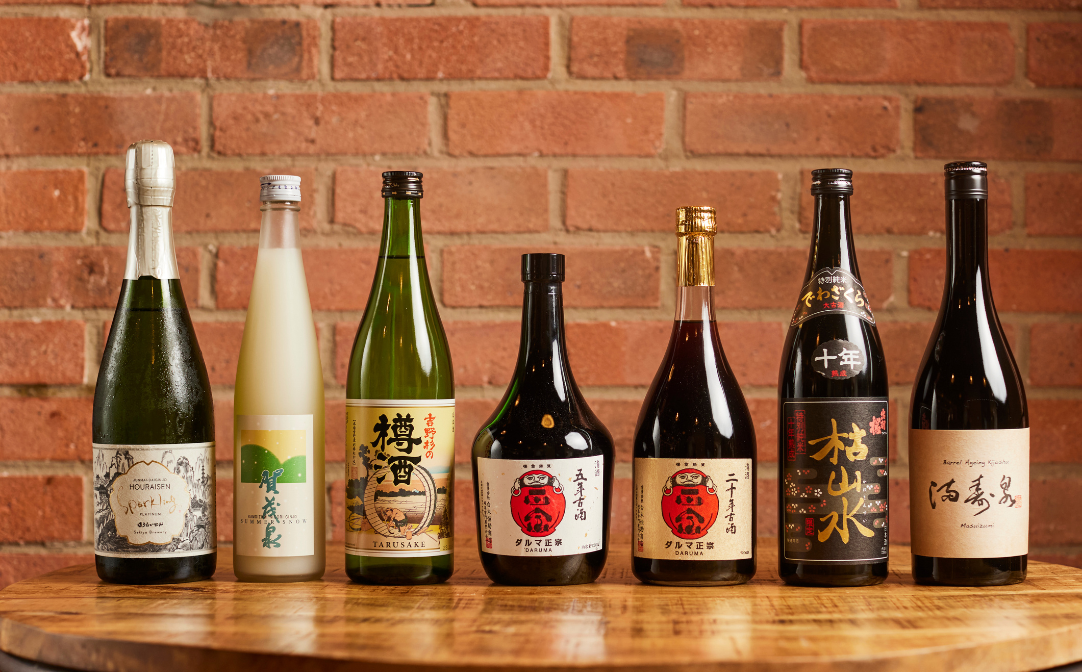
Basic sake
Basic sake is a simpler style of sake is known as futsū-shu in Japanese and this is the category that a large proportion of sake in Japan falls into.
All brewers will use the 4 standard ingredients as mentioned above and may choose to add lactic acid and jōzō alcohol. Significant volumes of jōzō alcohol can be used in the production of futsū-shu, and brewers can also use other ingredients to adjust the acidity, sweetness and level of umami of their sake.
Most futsū-shu are clear and colourless in appearance but some are pale yellow in colour.
They range between 15–17% abv, are often slightly sweet and lightly acidic with delicate lactic and cereal flavours.
Premium sake
Whereas with basic sake there are minimal restraints in terms of ingredients used, with premium sake at least 15% of the rice used must be kōji, and the brewers are only permitted to add a small amount of jōzō alcohol.
As mentioned, premium sake is divided into eight grades, and these grades help to give consumers some information about the style of sake in the bottle and the production methods chosen by the brewer.
The first six grades are most common and can be broken down more easily – so we will take a look at these first.
The six common grades of premium sake
These grades of sake can be grouped in two ways:
- Whether jōzō alcohol was added or not
- Rice polishing ratio (seimai-buai)
Jōzō alcohol (junmai or non-junmai)
The term junmai literally means “pure rice.” If “junmai” appears on the label, no jōzō alcohol was added. If it doesn’t appear, you can assume jōzō alcohol was added.
There is no separate approved term for sakes that include jōzō alcohol. In practice, it is not always easy to distinguish junmai from non‑junmai styles.
Some junmai sakes have richer texture and more cereal notes, while some non‑junmai styles can be lighter and drier — but these tendencies are not consistent enough to rely on.
Polishing ratio (ginjō or non-ginjō)
The polishing ratio of the rice can have a significant impact on the style of the sake.
Ginjō styles
- Ginjō: rice polished to 60% or less
- Daiginjō: rice polished to 50% or less (some highly regarded daiginjō use rice polished to as low as 35%.
If “junmai” appears alongside ginjō or daiginjō, it means no jōzō alcohol was added.
When tasted side by side, all ginjō styles typically show pronounced fruity “ginjō aromas” created during fermentation - often including banana, apple and melon. Daiginjō and junmai daiginjō tend to show the most intense expression.
These sakes are low in acidity, low in umami, and have subtle cereal or lactic notes. Non‑junmai ginjō versions can sometimes have lighter body, more aromatic intensity and a spicier finish (notes like white pepper or cinnamon), though again this is not guaranteed.
Non-ginjō styles
Non-ginjō premium sake made with the added jōzō alcohol is labelled as honjōzō and must be made from rice that has a polishing ratio of 70% or less.
There is no stated legal maximum polishing ratio for junmai as long as the rice has a polishing ratio of 99% or less. However, it is rare to see junmai made from rice with a polishing ratio higher than 70%
Non-ginjō sakes tend to have notable cereal and lactic flavours and are only lightly fruity. They typically have a higher level of acidity and umami than ginjō styles of sake. Honjōzō can be slightly lighter in body than junmai, but this is not always the case and varies by producer.
Tokubetsu
The final two grades of premium sake feature the term tokubetsu, which must be used alongside honjōzō or junmai.
It means ‘special selection’ and denotes a special kind of honjōzō or junmai. There are three ways a sake can qualify for this grade:
- The rice has a polishing ratio of 60 per cent or less
- The sake is made exclusively from sake-specific rice; no table rice is used
- The production included a special process that the brewer has arranged to have legally recognised.
If the brewer is using the first of these qualifying criteria, they could have labelled these sakes as either ginjō/daiginjō or junmai ginjō/junmai daiginjō, but they have instead chosen to label them as tokubetsu honjōzō or tokubetsu junmai.
There is no one style that best describes tokubetsu sakes. It’s more helpful to view tokubetsu as a marketing term used to emphasise quality, without associating the sake with typical ginjō characteristics.
Speciality styles of sake
Several labelling terms indicate speciality sakes made using techniques different from the standard methods. Four are covered here.
Nama-zake
A nama-zake is a completely unpasteurised sake and tends to have more lively, fresh and pronounced aromas compared to a pasteurised sake of a similar age.
Nigori-zake
Nigori-zake is a cloudy sake containing rice particles known as lees.
Despite the appearance, this is not unfiltered sake as Japanese law requires all sake to be filtered. The cloudiness comes from using a coarse filter or by adding lees back into clear sake.
Nigori-zake tends to have more rice character, a creamy texture and a richer, fuller body.
Sparkling sake
As you may have guessed, sparkling sakes are fizzy. The sparkle comes from dissolving the gas carbon dioxide (CO2 ) into the drink.
This category is constantly evolving, and there are many different styles of sparkling sake to choose from.
Koshu
Koshu is an aged sake, typically matured for at least two years, though no legal minimum exists for maturation.
As it matures, koshu darkens in colour (some long‑aged examples can appear brown) and develops flavours such as nuts, pickled vegetables, soy sauce and caramel, along with prominent umami.
Delve deeper into the world of sake
And there we have it! An introduction to the different type of sake.
Looking to learn more about this historical beverage? AT WSET we offer sake courses from Level 1 to Level 3 for those eager to expand their knowledge of sake, from its history and production to practical tasting techniques.
Whether it’s a passion project or career motivated, our courses offer a welcoming gateway into the world of sake.
