


For many people, wine by the glass is how wine fits into everyday life. A drink with lunch, one glass before dinner, or the chance to try something new without committing to a full bottle.
Traditionally, however, by-the-glass lists have been treated as the safe end of the wine offering. Familiar grapes, reliable regions, styles chosen to sell quickly rather than excite. Bottles once opened had a short lifespan, so risk was avoided and variety was limited.
That model no longer reflects how people drink today. Modern wine drinkers are curious, value-driven and experience-led. They want freedom, flexibility and quality, without pressure. Increasingly, the glass is not a compromise for those who can’t decide. It’s the preferred way to explore.
This article is inspired by our WSET webinar with Coravin founder and inventor Greg Lambrecht and Master Sommelier Michael Meagher, who explore how preservation technology and changing consumer behaviour are reshaping wine by the glass, and what that means for drinkers as well as the trade.
Why wine by the glass matters more than ever
One of the most persistent myths in wine service is that by the glass exists mainly to offer something to the undecided guest or to move volume. But that view no longer holds.
Today’s drinkers are more informed, more experimental and often more cautious about commitment. They want the freedom to explore wines without the pressure of ordering a full bottle. For many guests the glass is not a compromise, it is the point.
Wine by-the-glass has become the gateway to discovery. It’s where guests try a new region for the first time, step up to a higher quality tier, or allow a sommelier to guide them somewhere unexpected.
That shift places new responsibility on the offering in bars and restaurants. A limited or predictable by the glass selection signals conservatism. A thoughtful, well-curated one signals confidence and intent.
How preservation technology has changed the landscape
For decades, the biggest constraint on ambitious by-the-glass programmes was simple: once a bottle is open, the clock starts ticking. Oxidation dictates what can realistically be offered, how quickly it must sell, and how much risk the venue carries.
Wine preservation technology disrupts that equation. By allowing wine to be poured without removing the cork, it extends the life of the bottle from days to weeks, sometimes longer, without compromising quality.
That single change unlocks a series of positive knock-on effects. Premium wines that were once too risky to offer by the glass can suddenly be consumed by a wider audience. Broader selections become viable, waste drops dramatically and margins become more predictable.
Just as importantly, it changes how lists are designed. Instead of asking which wines will sell fast enough, sommeliers can ask which wines best express the identity of the venue and the interests of its guests.
They can respond to guest behaviour, sales patterns and staff feedback. Preservation technology provides the safety net, but judgement still drives success.
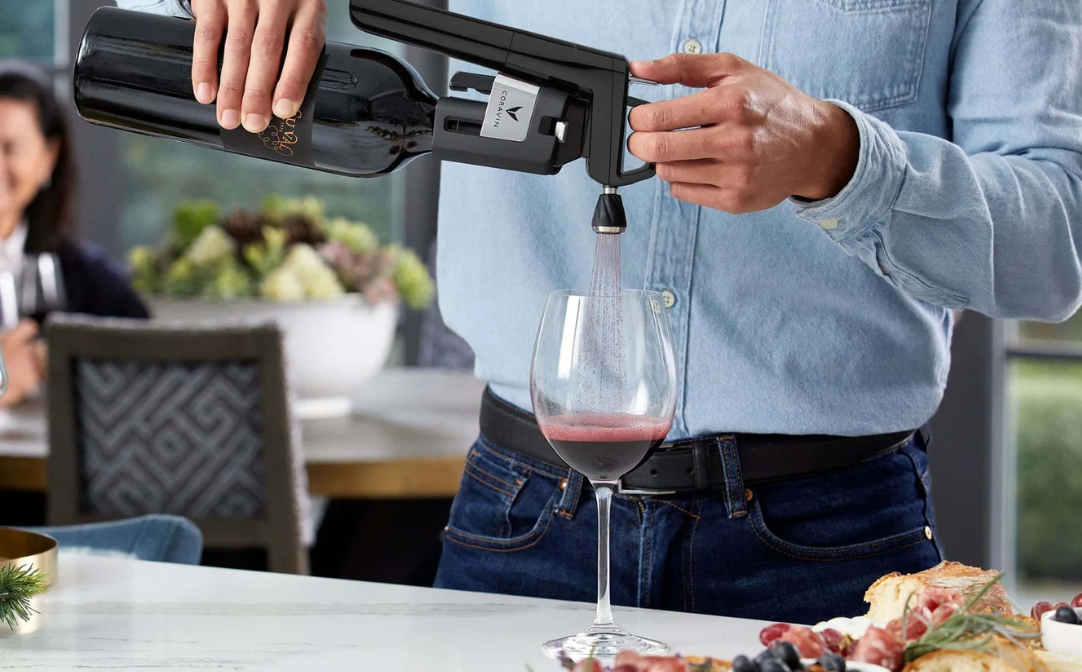
Credit: Coravin
Premiumisation without intimidating customers
There is a common fear that higher-priced wines by the glass will deter guests. In practice, the opposite often proves true.
When guests are offered the chance to try a genuinely great wine in a measured, low-risk way, many will take it. The key is context. Premium by the glass works when it feels intentional, not opportunistic.
Clear explanation matters. So does framing. A single exceptional glass can feel like an indulgence, an upgrade, or even a learning experience rather than an expensive decision. For some guests, it becomes the highlight of the visit.
From a service perspective, premium by-the-glass offerings also empower staff by creating opportunities for conversation and storytelling. They allow sommeliers and servers to recommend with conviction rather than caution.
What today’s guests are really looking for
Insights from Coravin’s Guide underline how much guest expectations have shifted. Value is no longer defined purely by price. It is defined by experience.
Guests respond to authenticity. They want to know why a wine is on the list, what makes it interesting, and how it fits the moment. Sustainability, provenance and producer stories all matter, but only when communicated naturally rather than as marketing slogans.
There is also a growing appetite for flexibility. Flights, half-pours and rotating selections that allow guests to shape their own journey.
Crucially, trust underpins everything. When guests believe that the wine in their glass is as fresh and expressive as it should be, they are far more willing to explore and to trade up for something more expensive or unusual.
Successful programmes are structured around a point of view. That might be a focus on a region, a style, a producer philosophy or a seasonal theme. The guest should feel guided, not overwhelmed.
One useful way to think about the list is as a series of invitations. A familiar grape might lead into an unfamiliar appellation. A classic region might be shown through a lesser-known producer. Each glass offers a step rather than a leap.
This approach also helps staff. When the logic of the list is clear, recommendations become easier and more confident. Exploration becomes part of the venue’s identity rather than a gamble.
How the role of the sommelier is evolving
As technology takes care of preservation, the human role in wine service becomes even more important.
The sommelier is no longer the guardian of fragile open bottles. Instead, they become a curator, educator and guide. The focus shifts from protection to possibility.
This evolution also broadens access. Smaller teams and less wine-centric venues can offer more ambitious by-the-glass selections without the same level of risk or technical anxiety. That democratisation benefits both the trade and the consumer.
One consideration is that training is even more essential than ever. Staff need to understand not just how the technology works, but why the wines are chosen and how to talk about them with confidence and warmth. When that knowledge is embedded, the guest experience becomes seamless.
At WSET we offer a range of courses and qualifications to support individuals and teams in improving their knowledge of wine, beer, spirits and sake, so that they can be better equipped to choose and offer different options.
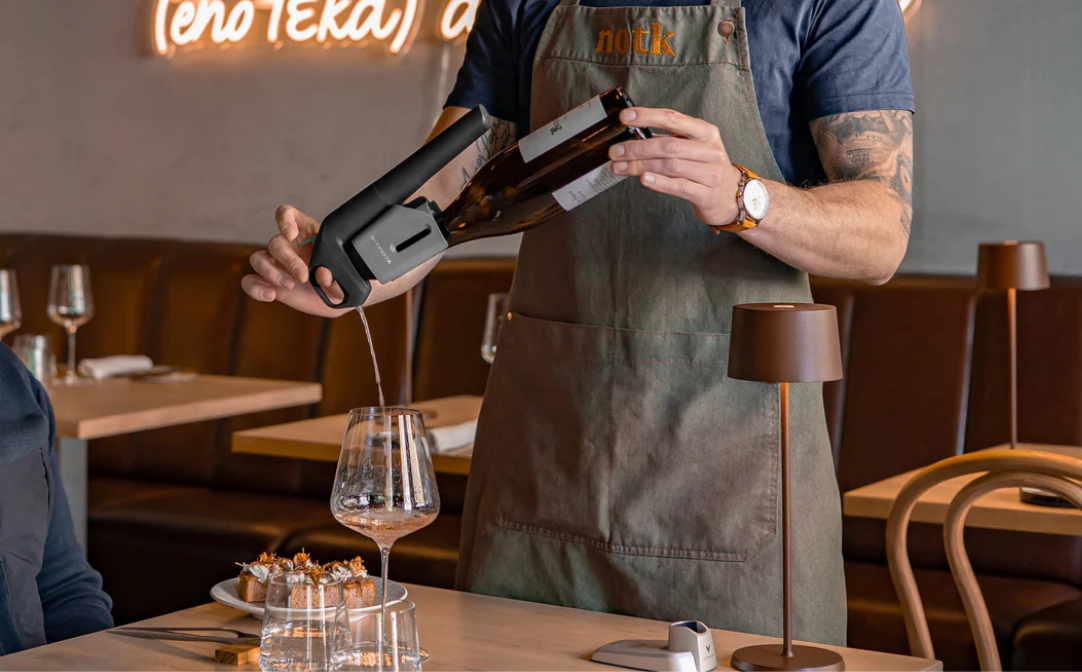
Credit: Coravin
The future of wine by-the-glass
At its best, wine by the glass is not an afterthought. It is a statement.
It says something about how a venue sees its guests and how much it trusts them. It signals whether exploration is encouraged or merely tolerated. It reveals whether the list is designed to sell or to share.
With the right tools and a clear philosophy, by-the-glass offerings can become the most dynamic and expressive part of a wine offering. They can support premiumisation without alienation, education without preaching, and discovery without risk.
Additional reading and watching
Five wine tools every enthusiast should know
The best ways to preserve wine after opening
Ideal serving temperatures and top tips for wine storage
