


When you’re looking to delve deeper into the world of wine, the WSET Level 3 Award in Wines provides the detailed instruction you’re seeking. Covering both natural and human factors in wine production, from grape growing to maturation and bottling, it’s an in-depth look into still, sparkling and fortified wines around the world.
If you’ve seen our blog on Top Wine Study Tips you’ll know that the qualification has a minimum suggested study time of 51.5 hours, in addition to the time spent in classes at WSET School London, online or at one of our global providers.
Level 2 graduates will already know about WSET systematic approach to tasting. But with so much new information to absorb for the Level 3 qualification, how can you keep things simple? By adopting a systematic approach to studying – one that centres around key world wine regions.
Wine Revision: the systematic approach
Every wine region in the world is impacted by both natural and human factors. When you analyse these elements in a systematic way, by comparing and contrasts areas region by region, you gain a deep knowledge of the wine-making process across the planet.
Structuring your wine education study systematically to prioritise these regions will also frame your knowledge for your written exam. Level 3 exam questions often ask you to consider natural or human factors that relate to an individual region, and how those influence the style, quality and price of local wines.
We go into more detail about writing your Level 3 exam in a related blog and outline an overall eight-week study plan here.
For each region you review, note down the natural and human factors as detailed below.
Natural factors
Natural factors in a wine region refer to anything occurring in the vineyard that is not directly impacted by human intervention. This includes:
- Grape Variety
Begin by identifying which grape varieties are mostly cultivated in a region. From your Level 2 qualification you’ll already know that different grapes grow better or worse in particular conditions and will contribute distinct qualities such as aroma, structure, tannin and acidity to a wine.
For example, you may recall from previous wine courses that Syrah has a range of aromatic profiles from elegant and red fruity to full-bodied and jammy. You can use that knowledge in tandem with other elements below to build a picture of how a finished wine may smell and taste.
- Climate
Next, examine the climate of the wine region you are studying. Consider factors like temperature range – for example, is there a huge diurnal swing? – plus details such as sunlight hours and rainfall level. This way you can build a picture of how grapes might be growing and the kind of wine styles that likely are produced, whether that’s fresh, high-acidity whites or fruity and full-bodied reds.
- Weather
Sitting firmly in the natural factors category, weather – which involves seasonal changes as well as extreme events such as hail and frost – hugely impacts vineyard health and wine quality. Yield, grape ripeness and the expression of flavour characteristics in fruit can all vary from one vintage to the next. In each instance, consider how each region’s weather patterns might support or threaten grape growth, and what producers may do to address these challenges.
- Soil
The same grape grown in different soils will express different characteristics. Mineral compositions, drainage levels and fertility all influence the growing conditions within any given vineyard and impact the nutrients a vine receives. Master an understanding of dominant soil types, from limestone to clay, and what prevails in the region.
Human factors
In contrast to natural factors, human factors in winemaking refer to anything that is within the control of the winemaking team and can be manipulated. For example…
- Grape Growing
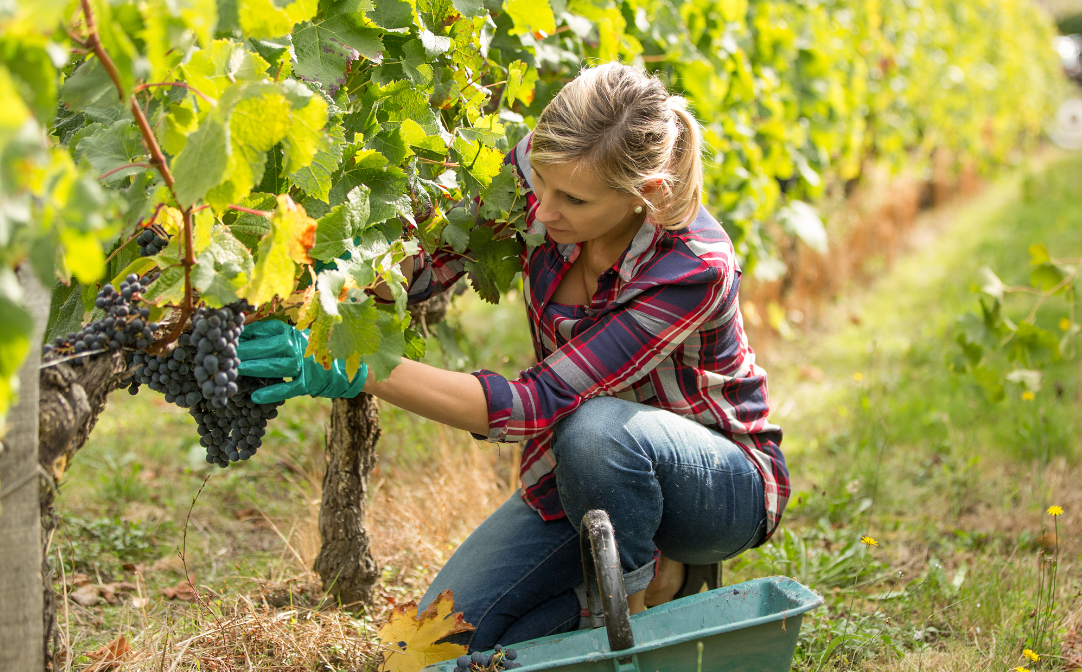
These refers to the specific viticultural practices used in the region in order to produce grapes desirable for wine. Different pruning methods impact a vine’s canopy, yield and fruit ripening, with methods varying across climates. Methods of protection against disease, pests and extreme weather vary from region to region, too, as does harvest method.
- Winemaking
While each winemaker in a region might do things a bit differently, there is most often a ‘typical’ regional winemaking style. For example, in Beaujolais Nouveau wines it’s the carbonic maceration process, and in Champagne it’s the traditional method secondary fermentation. As you study, examine the typical winemaking processes of the region, covering grape reception, fermentation and packaging, as well as barrel types and fermentation temperatures. These all have a significantly impact on the finished product.
- Maturation
Examine the standard maturation practices for wines produced in the region, including the way they are stored and how long they are aged for. While fresh and zingy wines like a Vinho Verde might see almost zero maturation in stainless steel, fortified Madeira is exposed to long-aging in intense heat to produce a naturally oxidised style of wine.
- Market Forces
Winemaking doesn’t exist in a bubble. Like all industries it’s subject to market forces such as trends, local regulations and supply chain pricing. Often producers may choose different methods for producing bulk, inexpensive wines for mass consumption in comparison to premium bottles. Consider the typical quality levels of wine produced in the region and what factors drive its production.
How to study wine
When you’re preparing for your wine WSET Level 3 Exam, we recommend using a systematic approach to your studies.
But whichever of our wine qualifications you might be working towards, you’ll find a range of wine study tips and wine exam techniques outlined on our website.
Fascinated by wine but not yet enrolled in the WSET Level 3 course? Explore our full range of course options, including wine, spirits, beer and sake qualifications, and find the course that’s right for you.
About the author:
Alicia Miller is an award-winning travel writer specialising in food, drink, hotels, and wellness. She contributes to leading UK publications, including The Times, National Geographic Traveller, The Evening Standard, The Telegraph, The Independent, Decanter, and more. She is also the Travel Editor at Woman & Home magazine and has been recognised with multiple industry awards, including AITO’s Travel Writer of the Year in 2022.
Additional reading and watching
Are you ready for the WSET Level 3 Award in Wines?
How to taste wine - the WSET Level 3 Award in Wines way (video)
