


Rum is one of the world’s most diverse and misunderstood spirits categories. From crystal-clear styles to almost black bottlings, colour can often tell you surprisingly little about what’s actually in the glass. In this article, drinks writer Mike Gibson explores the confusing world of light, golden and dark rum and why appearances can be deceptive.
When it comes to aged spirits, looks can be deceiving, and in arguably no category is this truer than rum. Unlike whisky or brandy, the casual consumer has come to know rum through styles based on appearance rather than age. On supermarket shelves or online, bottles are often grouped into light, golden or dark categories. And anyone with first-hand knowledge of the category can attest, that’s very rarely an accurate representation of either production methods or flavour.
Whisky has to be aged in casks to be called whisky, but that’s not the case for rum, which can be aged for decades or no time at all, and whose appearance can run the gamut from totally colourless to amber or deep brown, in some cases so dark as to be almost black.
Rightly or wrongly, many drinkers still judge a spirit’s potential age and quality by its colour. But in rum, that can be a misnomer for a few reasons. In the same way that a long-aged whisky could be lighter in colour than one aged for only three years in a particularly active cask, the same is true for rum, but with the added confusion of charcoal filtration and our old friend E150, a caramel colour, helping to cloud the optics.
For this and a host of other reasons, it’s becoming increasingly obvious that colour alone tells the drinker very little about what to expect from a rum. Age can offer one useful clue, but only alongside a wider understanding of production choices such as raw material, distillation method, cask type and maturation conditions.
To understand why colour can be misleading in rum, it helps to start with spirits that haven’t seen a cask at all.
The world’s unaged rums
From the Caribbean to Latin America, and increasingly in emerging rum-producing countries too, a large amount of the rum sold around the world is distilled and bottled without ageing.
This is true of the vast majority of cachaça (Brazil’s native sugarcane juice spirit), much of rhum agricole (made from fresh sugarcane juice in Martinique, Guadeloupe and Madeira) and a fair amount of Caribbean molasses rum too, including styles like Overproof Jamaican Rum.
These rums differ wildly in both raw material (the processing or otherwise of the sugarcane), distillation (the use of pot stills vs column distillation) and the style the producer is going for. In all cases, though, they’re united by the lack of influence from wood, leaning into the fresh, raw and grassy character of the sugarcane itself.
And with no wood, there’s nothing to add any colour. Genuine unaged rums will generally be as clear as vodka, so if you see a rum without any visible colour, there’s a good chance it will sit on the brighter and fresher side of the scale.
However...
Light (and lightly aged) rums
In many rum heartlands, there are rums aged in oak casks after distillation, but only for a relatively short time, or in casks selected to give minimal wood influence to the finished spirit.
Bacardi Carta Blanca, for example, is one of the go-to Daiquiri rums for bartenders and consumers around the world. Though aged for three years under Cuba’s strict regulations, it remains pale in appearance and much closer in flavour to an unaged rum than to a long-aged or heavily ‘dark’ style.
Another example is Diplomático Planas. The Venezuelan producer ages the rum for six years before filtering it through charcoal prior to bottling, removing almost all of its colour. Pick it up off the shelf and it may look analogous to an unaged rum, but the flavour still carries a decent amount of wood influence. The exception that proves the rule, perhaps.
‘Golden’ rums
Golden rum is another potentially misleading term. While some golden rums get their colour naturally through cask ageing, others may use caramel colour or added flavourings, making colour alone an unreliable guide to flavour or age.
Walk into the golden rum section of a supermarket or retailer and you’ll find everything from properly matured rums like Appleton 8 Year Old from Jamaica or Havana Club Especial from Cuba, alongside sourced blends bottled for consistency by British or American brands, as well as spiced rums flavoured with vanilla, spices and other ingredients.
For rums whose flavour comes solely from distillation and maturation, longer ageing in cask tends to bring notes of dried fruit, nuts and baking spice. But this is also a useful place to dispel the idea that rum has no rules. In reality, rum is governed by legal definitions and standards of identity, and while these vary from one country or territory to another, they determine what can be made, what can be added and what may still be labelled as rum.
Suffice to say, even when a rum has spent time in cask, its colour may not come exclusively from maturation. Many producers use a small amount of caramel colour to keep appearance consistent from batch to batch, which means colour can still be a poor guide to wood influence. At the darker end of the spectrum, some styles may also derive colour and flavour from molasses or other additions rather than cask ageing alone. In fact, some products in this portion of the market, particularly those heavily altered with flavourings or additives, may not legally qualify to be sold as rum in certain countries at all. Likewise, a spiced rum’s flavour is going to be markedly more influenced by the added components the producer chooses to flavour it with than by a cask, anyway.
The darkest of the dark
Finally, we get to the so-called ‘dark’ rum. In this category you’ll find everything from traditionally matured rums to heavily flavoured or spiced styles, products that can differ wildly in both production and flavour.
Some may use E150a caramel colour or added sugar to shape the final appearance and profile of the spirit, meaning a darker colour doesn’t necessarily point to longer ageing or greater cask influence.
And when we get to some of the darkest expressions on the market, the almost black appearance of the liquid is, it’s fair to say, often less about the age of the rums used in the blend than additions such as molasses and other stylistic choices made by the producer.
How to judge rum by colour
Given all the above, it’s fairly obvious that a rum’s colour is never a reliable gauge of style, flavour or age, certainly not across the category as a whole.
The safer bet is to judge by age where an age statement is available, or if not, to read into the distillery or blender, or the production methods permitted (or prohibited) by the country of origin.
These will give the drinker a clearer picture of whether a rum will be fresh and vibrant, deep and rich, lightly sweet or bone-dry. It should also convey the likely influence of its raw materials, production choices like yeast strains and length of fermentation, distillation in pot stills, column stills or a blend of both, and the location and climate in which it’s matured.
Drinking different rum styles
In terms of drinking and enjoying these rums, sipping neat is usually the best place to start. It gives the clearest sense of the producer’s intended style, whether that’s a long-aged Caribbean rum, a rich Latin American style with some subtle sweetness, or the funk of a Jamaican molasses rum or a green and grassy rhum agricole made from fresh sugarcane juice.
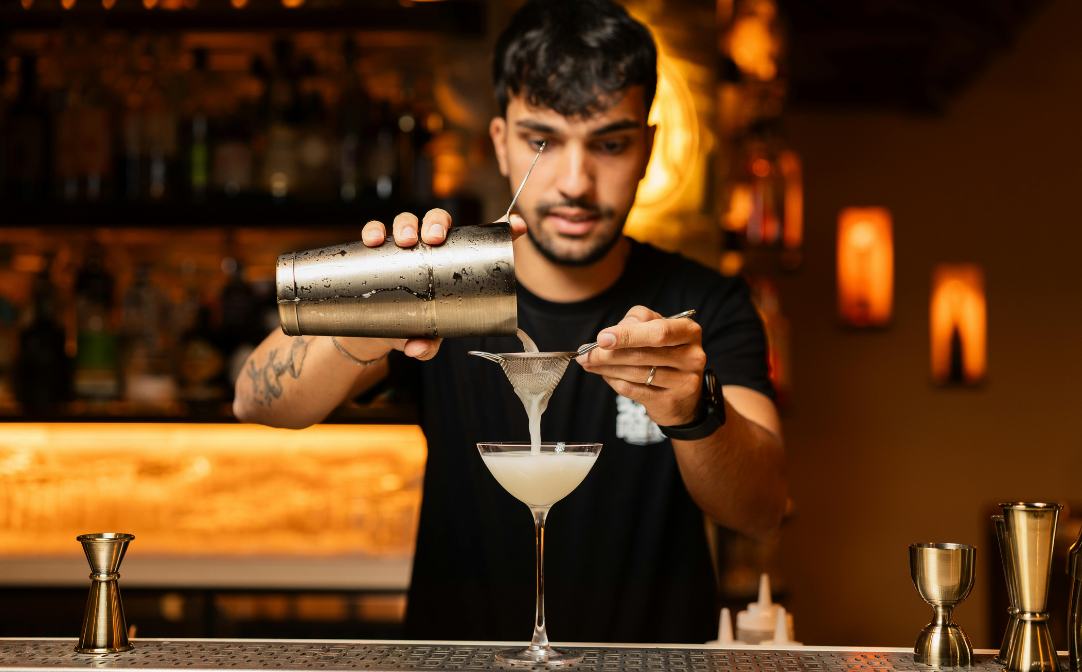
Rum shines in cocktails, though, perhaps most notably the Daiquiri. Made simply with rum, lime and sugar syrup, it’s an immediately refreshing drink that still allows its hero component’s character to shine through. A light, crisp Cuban-style rum is the classic choice, but everything from rhum agricole to overproof Jamaican rum can work brilliantly in the format.
Longer-aged rums, meanwhile, make excellent twists on drinks like the Manhattan or Old Fashioned, as well as classics such as the El Presidente or modern cocktails like the 100 Year Old Cigar (with absinthe and Benedictine).
Because of Cuba’s singular history with early bartending, many classic rum cocktail recipes will suggest aged Cuban rums, but these can be subbed for aged rums from anywhere in the world, including premium expressions of blended aged rums by producers in the UK.
Elsewhere, Barbados’s bold molasses rums are ideal in a Rum Punch or Corn n’ Oil, while Jamaican and blended Caribbean rums are often the go-to for Tiki classics like the Mai Tai or Jungle Bird.
However it’s served, rum is an esoteric spirit that rewards a bit of knowledge and curiosity on the part of the consumer. Its looks may be particularly deceptive on occasion, but understanding a little about production, ageing and regional styles can completely transform the way you approach the category. And while colour alone may not always tell you very much, opting for a distillery or blender you trust to give a clear expression of style and production is always likely to result in a great drink.
About the author
Mike Gibson is a freelance drinks writer, editorial and communications consultant specialising in drinks, hospitality and travel. Formerly Head of Content and Communications at The Whisky Exchange and Editorial Director at Foodism, he has worked across editorial strategy, brand communications and drinks marketing for retailers, agencies and drinks brands. Alongside whisky, he loves Caribbean rum, vintage Champagne, white Burgundy, tasting menus and Neapolitan pizza.
Additional reading
